

Introduction
In the realm of home maintenance, understanding the nuances of wall cracks is crucial for homeowners. These subtle yet significant indicators can point to underlying structural issues, necessitating prompt attention. In this comprehensive guide, we delve into the different types of wall cracks and offer insights on how to address them effectively.
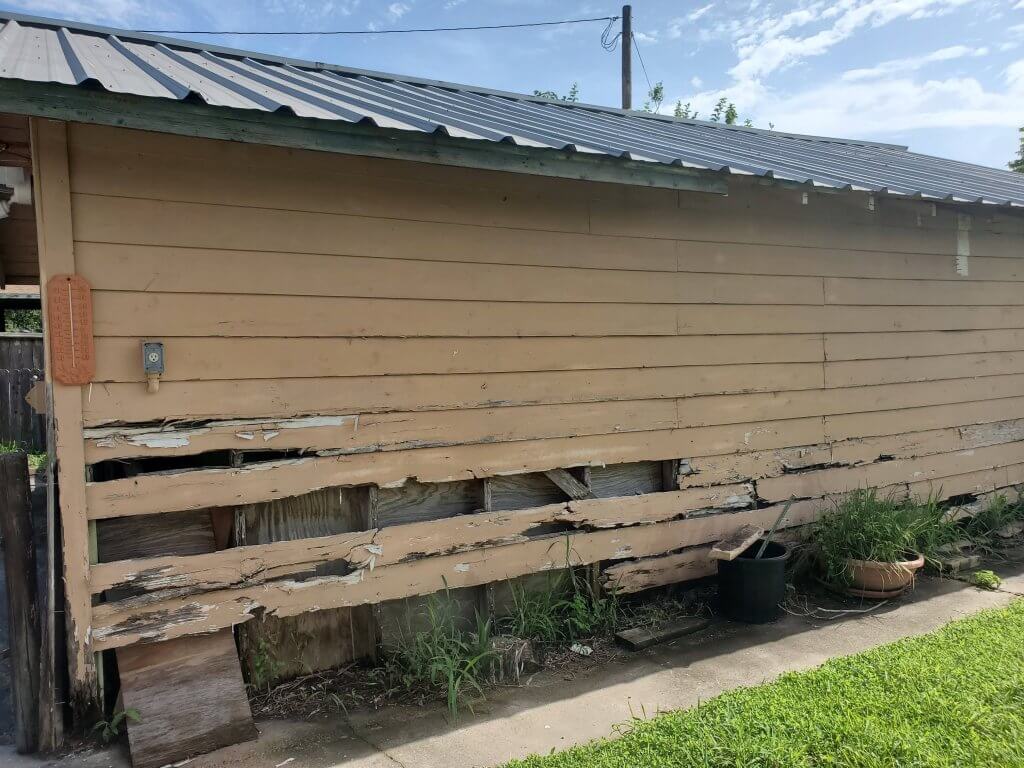
Hairline Cracks
Hairline cracks are the most common and often innocuous, measuring less than 1/16 inch in width. They are typically caused by the natural settling of a house over time and are not necessarily indicative of structural problems. Regular monitoring is advisable, sealing them with a flexible sealant to prevent moisture intrusion.
Settlement Cracks
Settlement cracks are wider than hairline cracks and occur due to the shifting or settling of the foundation. Identifying the source of settlement, whether it be soil issues or foundation problems, is imperative. Engaging a professional engineer for a thorough inspection is recommended. Remediation may involve foundation repairs or underpinning.
Vertical Cracks
Vertical cracks usually stem from settling or concrete shrinkage and extend straight up or down. These cracks can be addressed by epoxy injection, which restores the structural integrity of the wall. It is essential to differentiate between hairline and vertical cracks, as the latter may warrant a more robust intervention.
Horizontal Cracks
Horizontal cracks are a cause for concern, often indicating excessive pressure against the foundation. Waterproofing measures and reinforcing the foundation may be necessary to prevent further damage. Consulting with a structural engineer is crucial to determine the appropriate course of action.
Stair-Step Cracks
Stair-step cracks often manifest in brick or block walls, resembling a staircase pattern. These cracks suggest differential settlement and may require professional intervention. Stabilizing the foundation and repairing the masonry are key components of effective resolution.