

The practice of purchasing a home, upgrading it, and then selling it for a profit is called house flipping. This blog will discuss the basic ins & outs of flipping houses, this is a common type of real estate investment that may be profitable for individuals who can effectively locate and remodel homes with the potential to sell for a higher price.
Typically, the house-flipping process consists of multiple steps:
- Identifying properties with the potential to be flipped, analyzing their condition and potential for appreciation, and negotiating a purchase price is all part of the process.
- Project financing: House flipping often necessitates a large amount of upfront cash, and investors may need funding from personal savings, loans, or private investors.
- Renovating the property: This entails repairing and updating the property to improve its condition and appeal to purchasers. This might range from minor aesthetic changes like painting and flooring to significant upgrades like kitchen or bathroom remodels.
- Marketing and selling the property: After the remodeling, the property is usually placed for sale and advertised to potential purchasers. Working with a real estate agent, promoting the property online and in print, and arranging open houses or private showings are all possibilities.
- Closing the sale: Once a buyer is located and a purchase price is agreed upon, the property is sold through a closing procedure that includes transferring ownership and paying any applicable fees or commissions.
Property flipping necessitates meticulous preparation, financial resources, and luck. Successful home flippers may discover properties with high appreciation potential, remodel them efficiently, and sell them for a profit. However, there are other dangers and obstacles associated with real estate investing and property flipping, such as unforeseen repair bills, remodeling delays, and trouble locating the end buyer. Before investing in a house-flipping project, perform your due research and thoroughly examine the possibilities of any property, just as you would with any other type of investment.
Purchasing A Home
Tips for locating appropriate houses for flipping:
- Look for properties that require extensive repairs or updates: Properties that need considerable repairs or updates may be less expensive to acquire and may have more significant potential for appreciation after the improvements are completed.
- Assess the property and neighborhood: Look for properties in regions with growth or appreciation potential, such as revitalized or gentrifying districts. Consider the property’s future resale value compared to similar homes in the neighborhood.
- Investigate the local real estate market: Familiarize yourself with local market patterns, such as typical property prices and rental rates, to spot potential flip chances.
Make connections with real estate professionals: Building relationships with real estate agents, brokers, and other experts will help you remain up to date on new properties that hit the market, as well as prospective leads on off-market homes. - Use online resources: There are several internet tools and resources available to assist you in finding houses to flip, such as real estate websites, auction sites, and social media groups.
- Be open to various properties: To diversify your portfolio and boost your chances of discovering acceptable properties, consider flipping a range of property types, such as single-family houses, multi-family residences, or commercial properties.
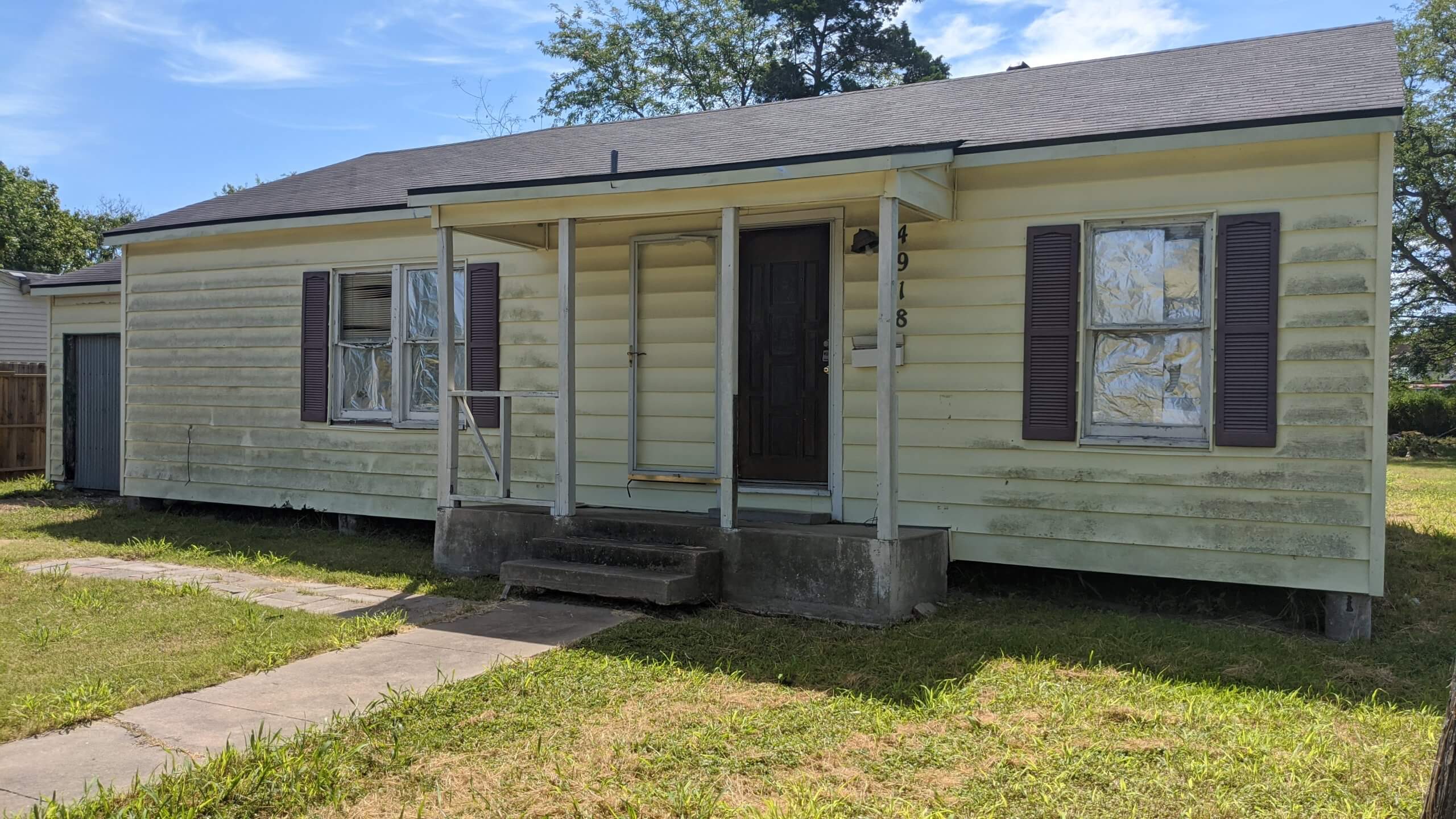

Click The Photo To View
The Associate Project
Methods for assessing a property’s potential:
- Hire a professional home inspector to analyze the property’s condition and identify any potential concerns or repairs that need to be addressed.
- Investigate the local real estate market: Examine comparable homes in the region to obtain a feel of market worth and possible appreciation.
- Consider the location and qualities of the property: Look for houses in favorable areas or with desired attributes, such as closeness to amenities or preferred schools, that may appeal to buyers.
- Examine the property’s layout and floor plan: Consider the possibility of redesigning or expanding the property to boost its value and attractiveness.
- Consider the possibility of increasing property worth through improvements: Consider the possibility of increasing property value through renovations such as remodeling the kitchen or bathroom, adding a deck or patio, or completing an unfinished area.
- Evaluate the property’s resale prospects: Consider the property’s long-term resale potential and if it will appeal to a diverse spectrum of consumers.
Overall, before investing in a house-flipping project, you should properly examine the possibilities of any property.
Financing options for house flipping initiatives include:
- Personal savings: Many house flippers utilize their personal savings or assets from a retirement account to support their initiatives.
- Loans: Traditional loans from banks or mortgage lenders, such as a construction loan or a mortgage on the property, may be available for house-flipping operations.
- Private investors: House flippers may seek funds from private investors such as friends, relatives, or other persons interested in real estate investing.
- Hard money loans: Hard money loans deal in short-term real estate-secured loans that are commonly employed for flipping ventures. They may have higher interest rates and stricter restrictions than traditional loans. Still, they may be a quick and flexible funding choice.
- Seller financing: In some situations, a property’s seller may be prepared to finance the acquisition through a typical mortgage or a more flexible agreement.
Before agreeing to a loan or investment, it is critical to carefully assess the terms and circumstances of any financing choice. It’s also vital to have a strong strategy in place for how you’ll utilize and repay the finance and to budget properly to ensure you have the resources you need to finish the project.

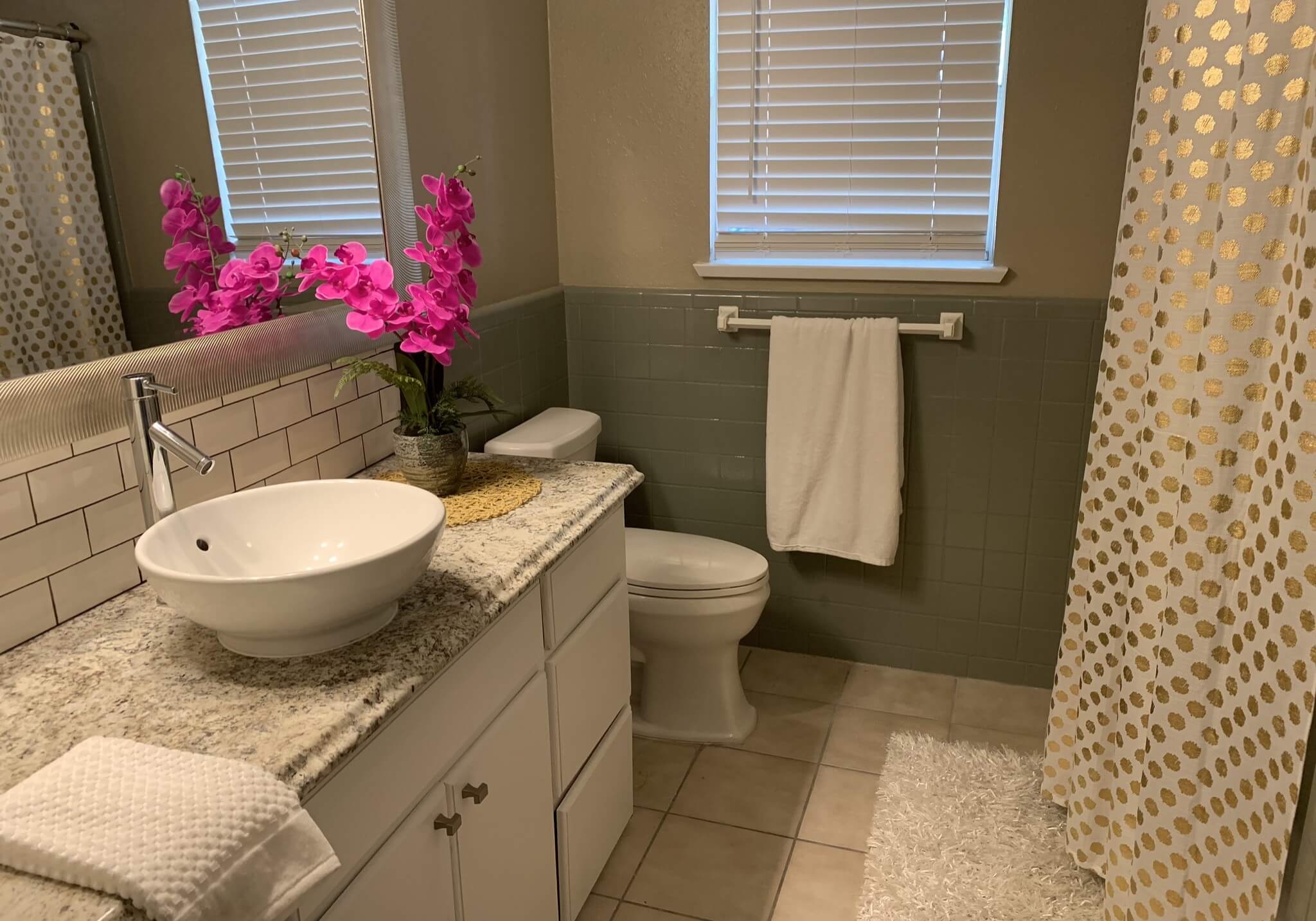
Click The Photo To View
The Associate Project
Property Renovation
Budgeting Tips for Renovations:
- Establish your objectives and priorities: Define your remodeling project’s goals and priorities, and use them to drive your financial selections.
- Determine the material and labor costs: Investigate the cost of supplies and labor in your region, then use this data to calculate the project’s overall cost.
- Allow for contingencies: It’s critical to leave room in your budget for unanticipated charges or complications that may develop throughout the restoration. Including a contingency budget of 10-20% of the overall remodeling cost is normal practice.
- Determine your spending priorities: Consider the possible ROI for each part of the remodel and prioritize those most likely to boost the property’s value.
- Be realistic: It’s critical to be honest about what you can afford and what the house will likely sell for following the restoration. Don’t over-improve the property or spend more than you can recoup from the sale.
- Shop around: Be bold, look for a bargain, or shop for the best material and labor pricing.

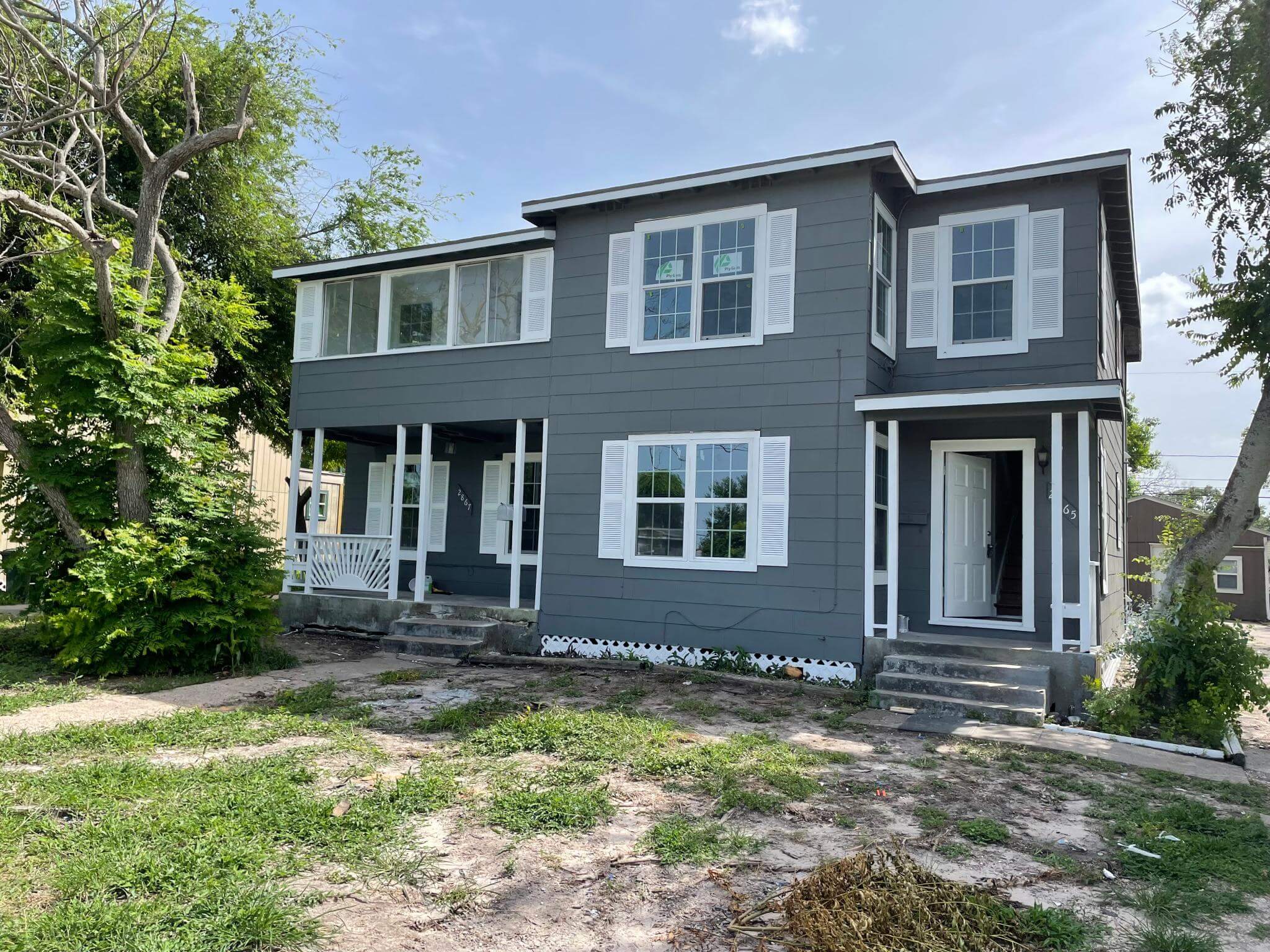
Click The Photo To View
The Associate Project
Management strategies for the remodeling process:
- Develop a remodeling strategy: Create a precise remodeling plan that specifies the scope of work, budget, timetable, and responsibilities for each project step.
- Employ professionals: Consider employing an expert, such as a general contractor, to handle the renovation process. A contractor may assist in coordinating the work of subcontractors and keeping the project on time and under budget.
- Interact with your team: Maintain open and frequent contact with all members of your remodeling team, including contractors, subcontractors, and other project specialists.
- Establish clear expectations and timelines: Communicate your objectives and deadlines to your team, and be prepared to make changes as needed.
- Maintain your organization: Keep all critical papers, contracts, and other information organized and easily accessible.
- Budget management: Keep meticulous track of your spending and stick to your budget. Prepare to make changes if required.
You cannot always guarantee that your house-flipping project stays on track, finishes swiftly, and comes in under budget but successfully managing the remodeling process will be the best approach to avoid these downfalls.
Common concerns and obstacles that may develop throughout the renovation:
- Cost overruns: Renovations frequently cost more than intended, either owing to unexpected concerns uncovered during the renovation process or changes in the scope of work.
- Delays: Renovations can be delayed for a variety of reasons, including inclement weather, supply chain challenges, or issues with contractors or subcontractors.
- Changes in scope: During a renovation project, the scope of work may alter owing to changes in the original plan or the discovery of additional concerns that must be handled.
- Disputes: Disputes between the homeowner and contractors or subcontractors may emerge over problems such as pricing, the scope of work, or quality of work.
- Permitting issues: Renovations may include the acquisition of building permits or other permissions, which may be a time-consuming and challenging procedure.
- Unexpected problems: Renovations can reveal unanticipated issues, such as concealed damage or the need for extra repairs or updates.
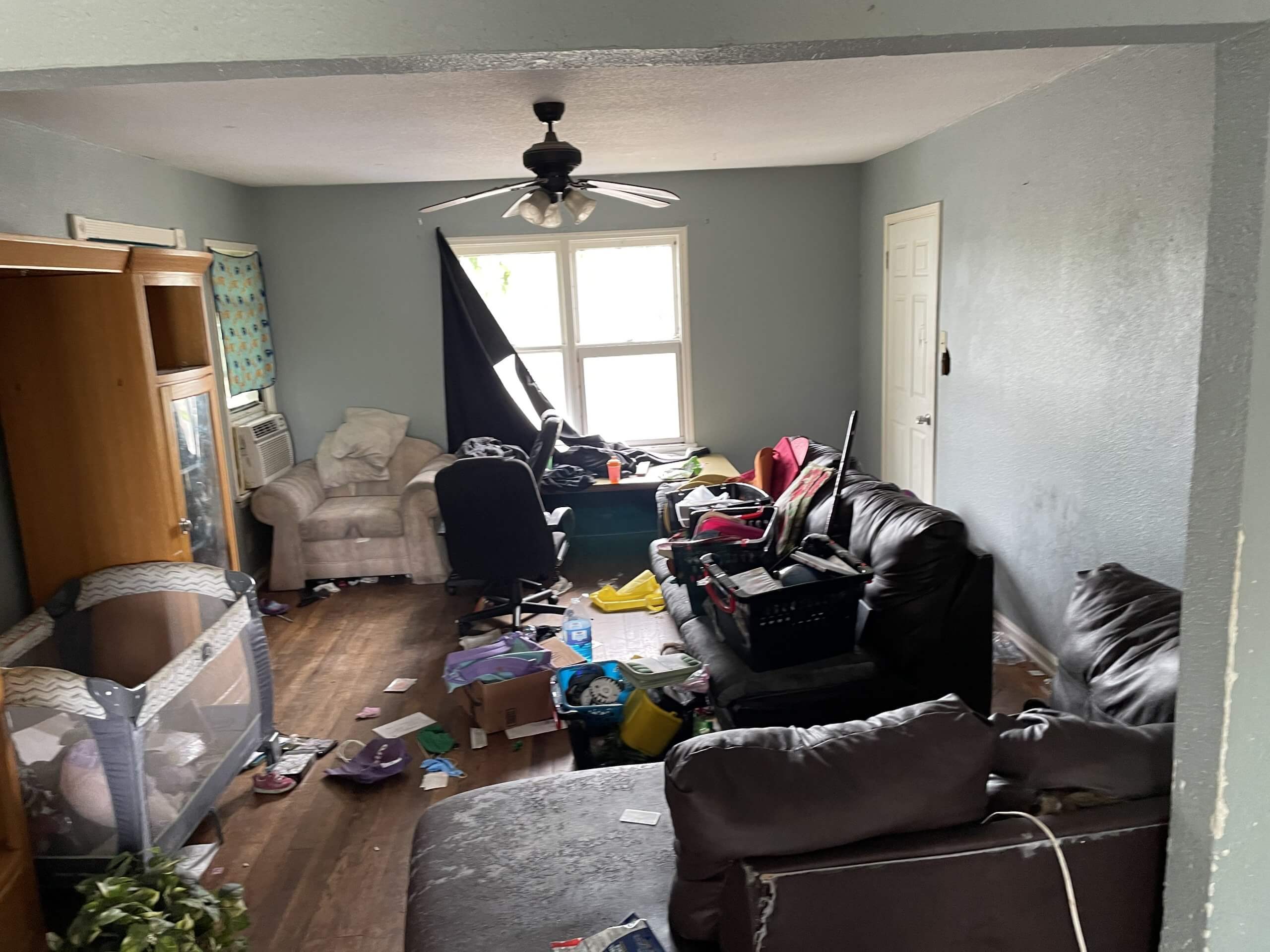
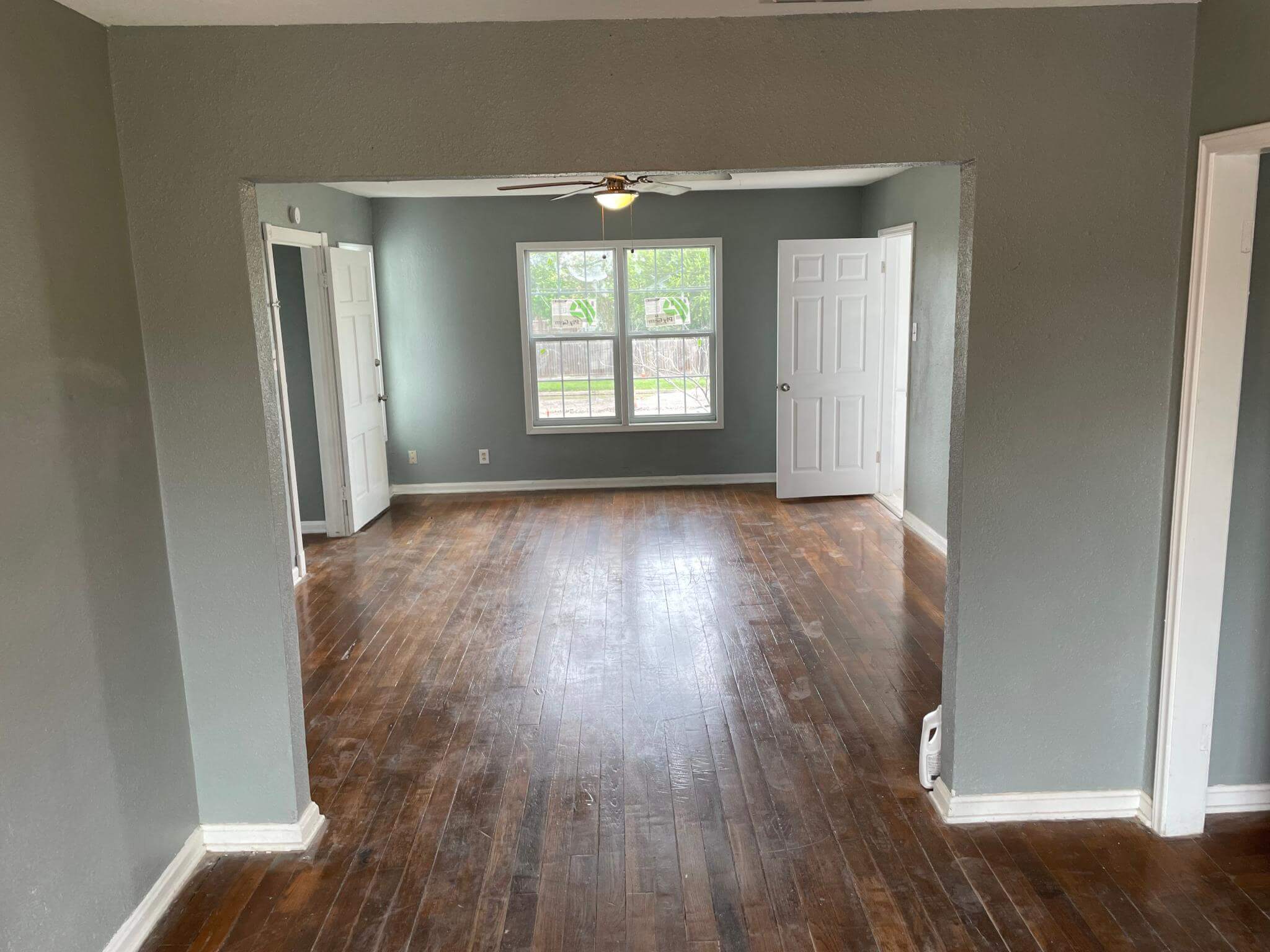
Click The Photo To View
The Associate Project
Selling & Marketing the Property
Pricing and listing recommendations:
- Investigate the local market: Investigate the local real estate market to gain a feel of the demand for houses similar to yours and the prices at which comparable properties are selling.
- Determine competitive pricing: Determine a price that is comparable with similar homes in the region while also taking into account the value that your property provides.
- Consider the selling costs: When determining the price, consider the selling fees like as commissions and closing costs.
- Select the best listing platform: Choose the best listing platform for your property and target audience. This might involve using online channels like real estate websites or social media, as well as more traditional tactics like print advertising or working with a real estate agent.
- Create a captivating listing: Create a listing that highlights your property’s primary characteristics and advantages, and utilize high-quality photographs and video to promote the property’s greatest attributes.
- Be adaptable: Be willing to discuss the selling price or terms, and be open to criticism and recommendations from possible purchasers.
Properly pricing and listing your home may assist in attracting potential buyers and boost your chances of a successful sale. It’s also critical to be realistic about the pricing and be willing to make changes if required.

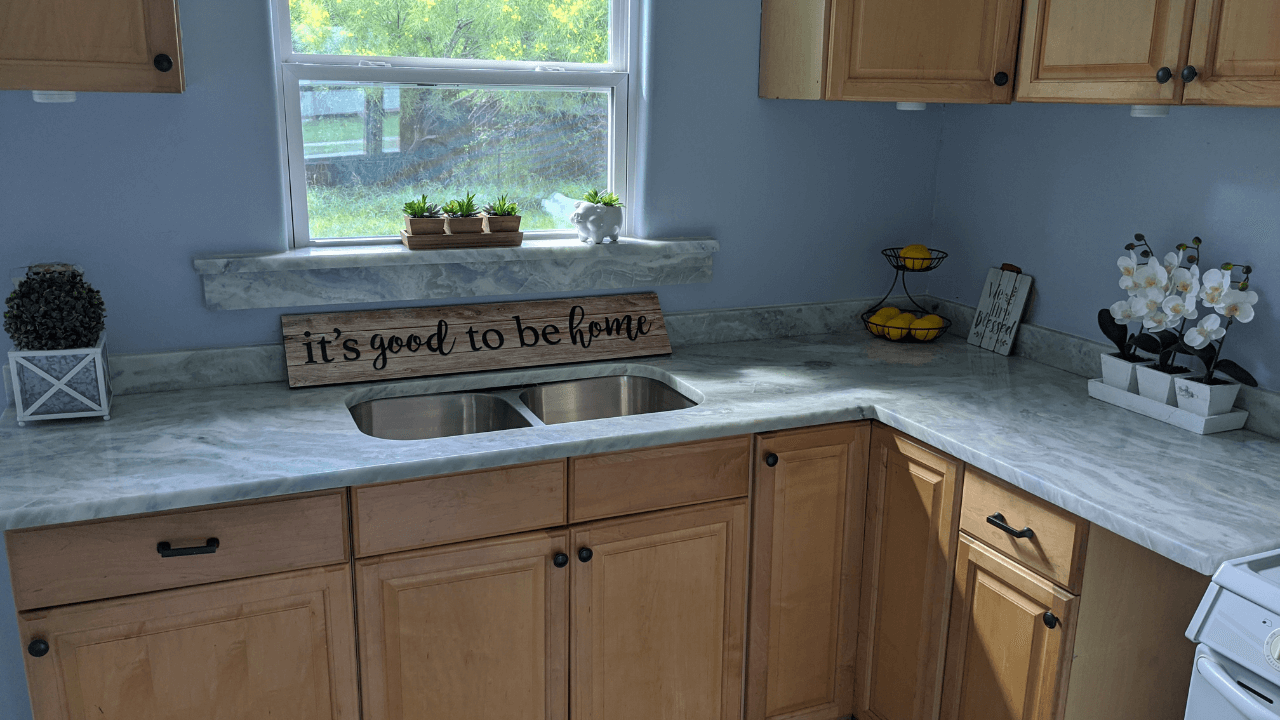
Click The Photo To View
The Associate Project
Buyer-attraction strategies include:
- Appropriately price the property: Set a price that is comparable with similar homes in the region while also taking into account the value that your property provides.
- Create a captivating listing: Create a listing that highlights your property’s primary characteristics and advantages, and utilize high-quality photographs and video to promote the property’s greatest attributes.
- Use online marketing: To reach a larger audience, use marketing tactics such as social media and targeted online advertising.
- Hold open houses or private showings: Hold open houses or private showings to allow potential purchasers to see the home in person.
- Consider hiring a real estate agent: Hire a real estate agent to promote the home and connect with possible buyers.
- Provide incentives: To entice potential buyers, consider providing incentives such as closing cost assistance or house warranties.
You may boost your chances of a successful sale by using various methods to attract buyers. It’s also critical to be adaptive, flexible, and ready to change your marketing approach as needed.
Common difficulties and complications that may emerge while selling a flipped home include:
- Difficulty finding purchasers: Finding buyers for your home may be challenging, especially if the market is slow or there is a lot of competition from other properties.
- Price negotiations: Potential purchasers may try to bargain the price of the property owing to worries about the property’s condition or market circumstances.
- Financing issues: Potential buyers may have trouble obtaining financing for the purchase, which might cause the transaction to be delayed or canceled.
- Inspections and appraisals: Inspections and appraisals may reveal property defects that must be remedied before the transaction can continue.
- Closing delays: Closing on the sale of a home may be a complicated and time-consuming procedure, and delays can occur due to financing concerns, inspections, or other circumstances.
You may lessen the impact of these frequent obstacles and concerns on selling your flipped home by being aware of these problems before they arise.
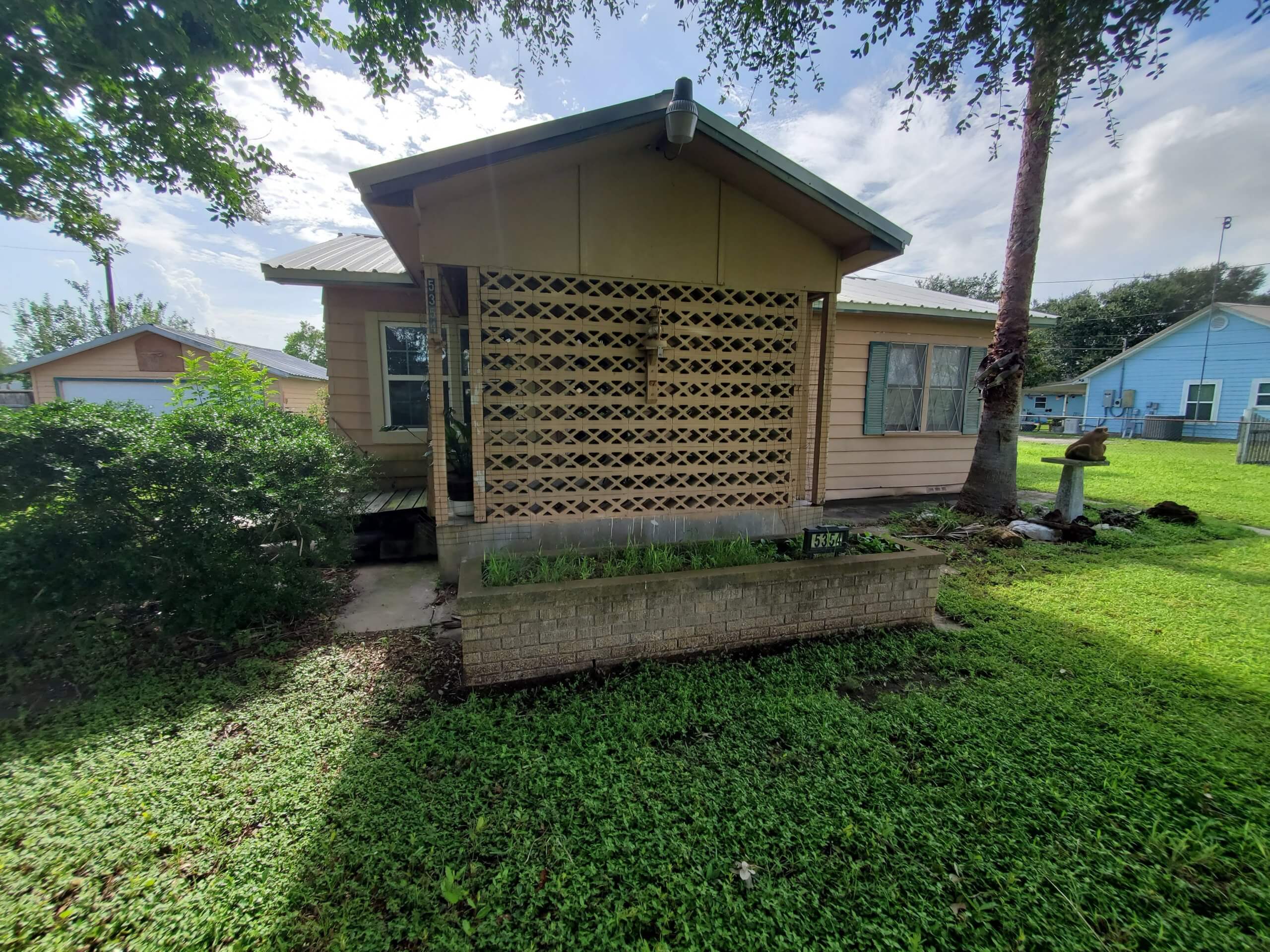
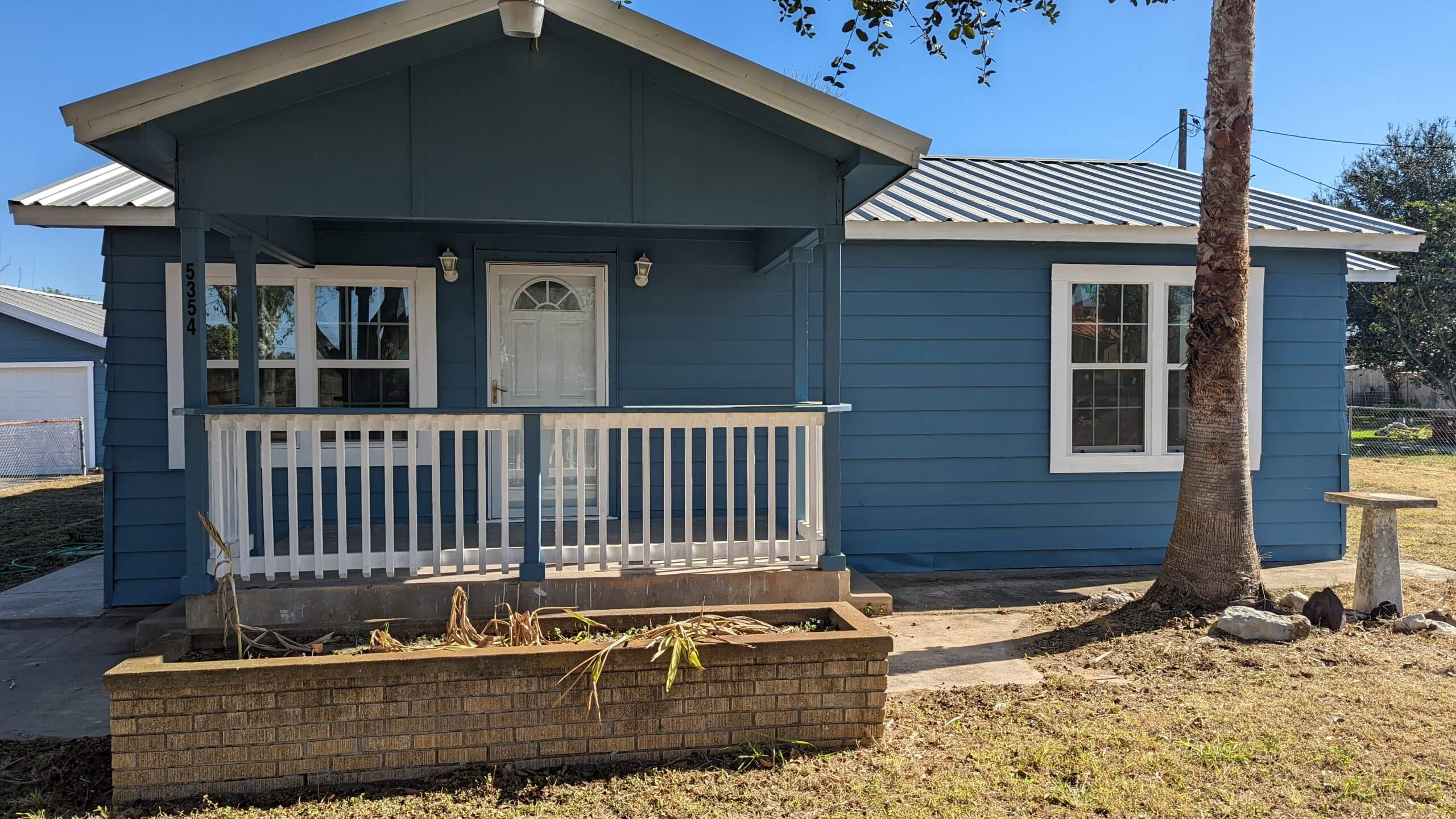
Click The Photo To View
The Associate Project
Here's a short overview of everything we spoke about & significant takeaways
- Locating appropriate properties: Look for homes that require repairs or improvements and are in regions with growth or appreciation potential.
- Evaluating the property’s potential: Carefully assess the property and the neighborhood for its potential, and consider aspects such as market value, resale potential, and the expenses of repairs and modifications.
- Project funding: Obtain project money, whether from personal savings, loans, private investors, or other sources.
- Property remodeling: Manage the renovation process properly, including hiring specialists, establishing clear goals and timelines, and maintaining under budget.
- Pricing and listing the property: Appropriately price the property, design an attractive listing, and employ a number of buyer-attracting methods.
- Closing the sale: Handle the closing process with care, including resolving any concerns that may occur during inspections or appraisals and anticipating delays.

The success of a house-flipping endeavor is dependent on careful planning and execution. Creating and sticking to a sound strategy may boost your chances of a successful project and a healthy return on investment. A well-planned project will help the project stay on budget, meet deadlines, and avoid costly mistakes or delays. It’s also crucial to be versatile and flexible because house-flipping projects frequently experience unanticipated problems that must be solved. You cannot guarantee that your project stays on schedule, is finished timely, and is within budget, but staying organized and managing your budget will help overcome those issues.
Create a strong strategy: Carefully plan each phase of the home flipping process, such as identifying appropriate properties, assessing the property’s potential, funding the project, remodeling the property, pricing and advertising the property, and finalizing the deal.
Stick to your budget: Manage your budget carefully and be ready to make changes if required.
Hire specialists: Consider engaging professionals, such as a general contractor, to handle the renovation process. A contractor may assist in coordinating the work of subcontractors and keeping the project on time and under budget.
Interact with your team: Maintain open and frequent contact with all members of your remodeling team, including contractors, subcontractors, and other project specialists.
Establish clear expectations and timelines: Communicate your objectives and deadlines to your team clearly, and be prepared to make modifications as needed.
Maintain organization: Keep all essential documents, contracts, and other materials organized and easily accessible.
Be adaptive and flexible: Be ready to change your strategy as needed, and be open to criticism and recommendations from possible purchasers.
You cannot always guarantee that your house-flipping project stays on track, finishes swiftly, and comes in under budget but successfully managing the remodeling process will be the best approach to avoid these downfalls.
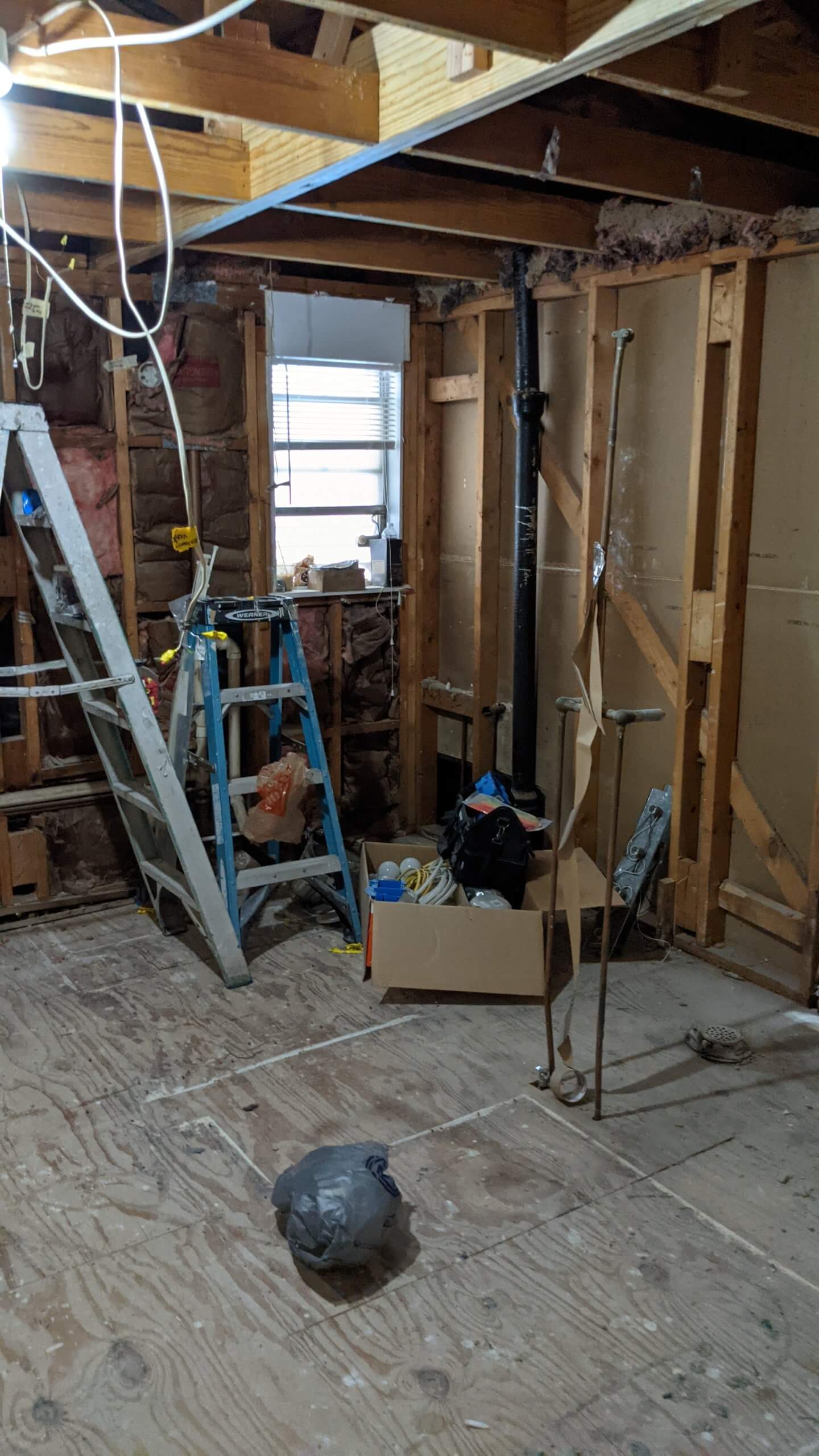

Click The Photo To View
The Associate Project
Video Blog English
Video Blog Spanish
